
We recommend products and services based on unbiased research from our editorial team. We make money via affiliate links, which means if you click a link on our site, we may earn a commission. Any commissions we receive do not affect our recommendations; if you want to know more about how that works, read more.
Also known as unmanned aircraft vehicles (UAVs), drones have leapt ahead in capability: mainstream models now pair omnidirectional obstacle sensing with longer endurance and more reliable video links, and sub‑250 g aircraft deliver pro‑leaning imaging with lighter regulatory burdens. Current leaders include DJI’s Air 3, Mini 4 Pro, and Mavic 3 Pro, with the Avata 2 covering FPV‑style footage and Autel’s EVO Lite+ offering a credible non‑DJI alternative. In the U.S., ensure Remote ID compliance per the FAA.
We keep a finger on the pulse of the drone market by tracking new releases, firmware, and pricing. Our 2025 snapshot: for most pilots the DJI Air 3 is the most versatile all‑rounder; the Mini 4 Pro is the top sub‑250 g option; the Mavic 3 Pro leads prosumer image quality; the Avata 2 is the easiest path to cinematic FPV; and Autel’s EVO Lite+ provides a large 1″ sensor and fewer geofencing restrictions. Newer models commonly ship with built‑in Remote ID, omnidirectional sensing, and O4 video links, while claimed flight times cluster around 34–46 minutes on camera drones (Air 3; Mini 4 Pro). For pricing context, typical U.S. MSRPs range from about $759–$1,159 for Mini 4 Pro kits and ~$1,099–$1,549 for Air 3 combos (Mini 4 Pro pricing; Air 3 pricing).
The Best Drones
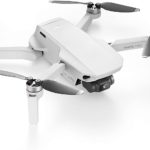
- DJI Mavic Mini – Best Size (legacy sub‑250 g; see current class leader Mini 4 Pro with omnidirectional sensing and O4 link)
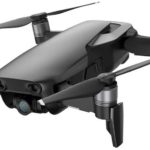
- DJI Mavic Air – Best on a Budget (series evolved; the Air 3 is today’s midrange all‑rounder with dual 1/1.3″ cameras)
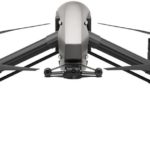
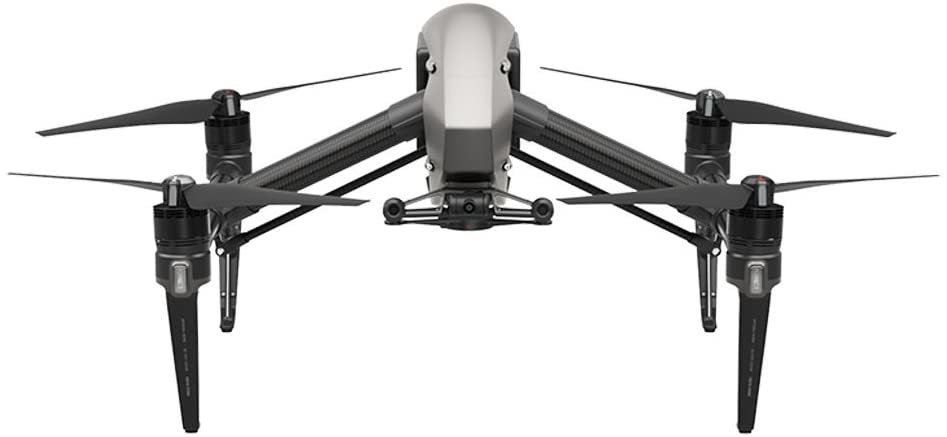
- DJI Inspire 2 – Best Video (legacy cinema platform; for prosumers the Mavic 3 Pro tri‑camera leads image quality)
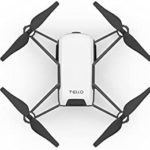
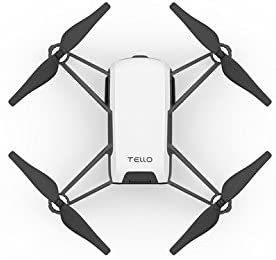
- Ryze Tello – Best for Beginners (toy‑class coding drone; budget camera alternatives include Mini 4K and Mini 3)
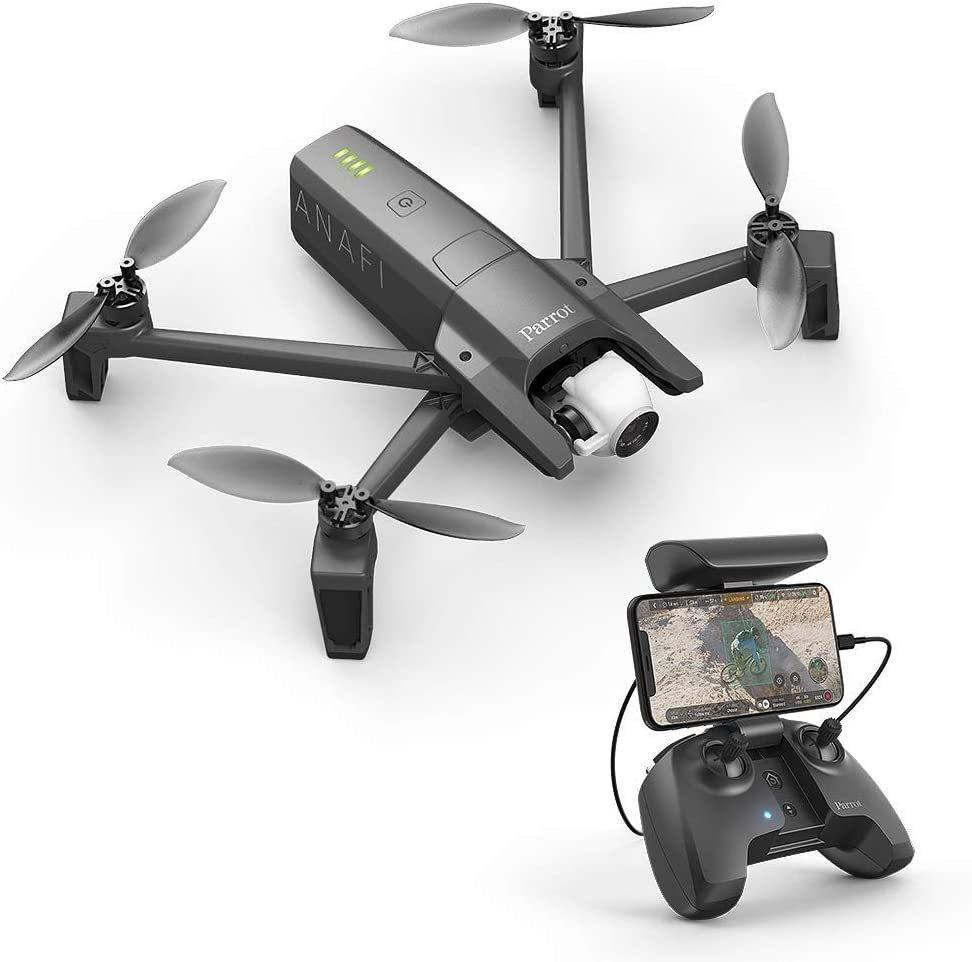
- Parrot Anafi – Best for Travel (Parrot now focuses on enterprise; consumer travel alternative: Autel EVO Lite+)
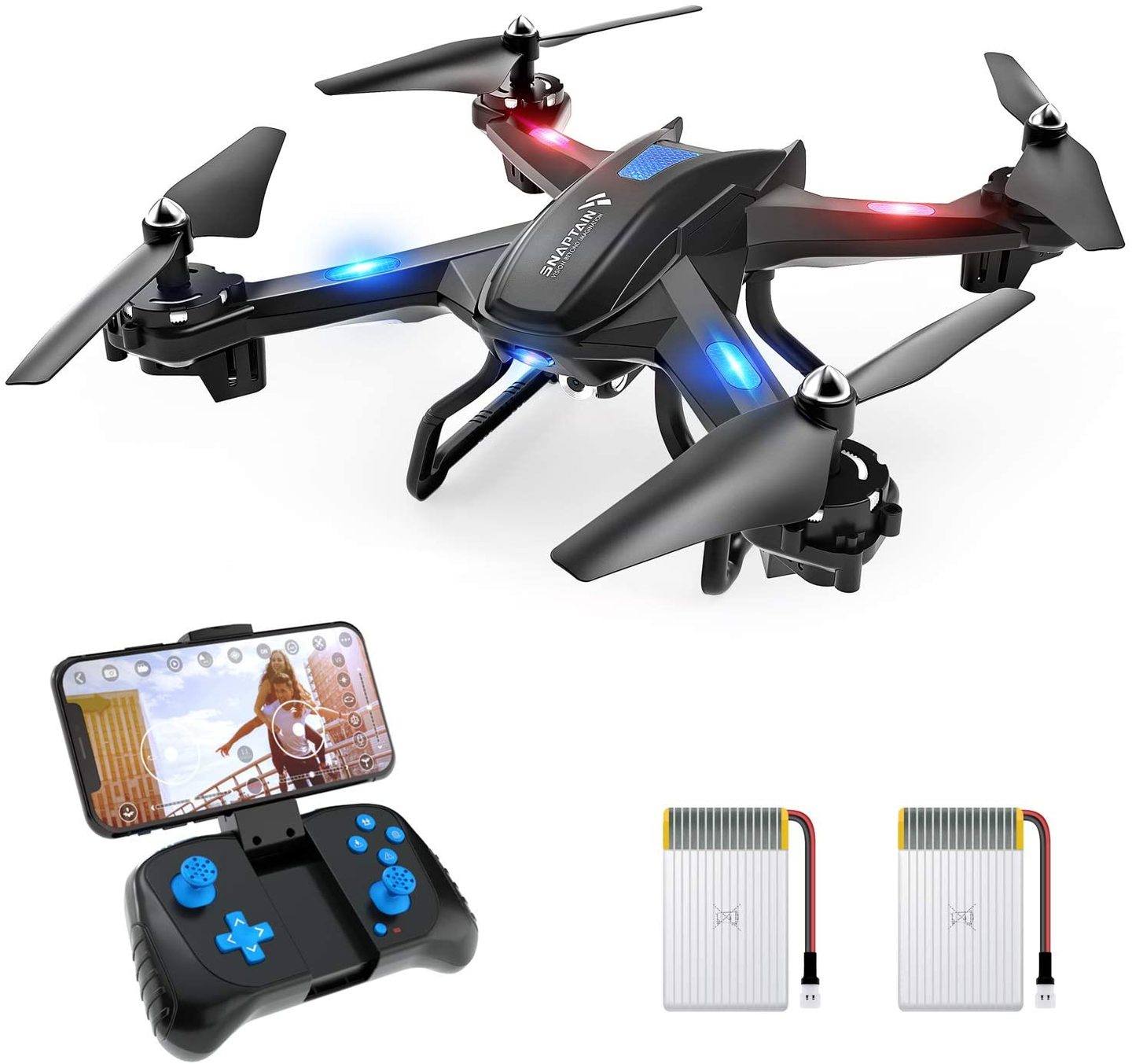
- Snaptain S5C Drone – Best for Kids (toy‑class fun; for FPV‑style cinematic shots consider DJI Avata 2)
The Best Drones: Key Features
| Weight | Picture (Megapixels) | Video Resolution | Maximum Speed(S-Mode) | Flight Time | Requires FAA Registration | |
| DJI Mavic Mini — current class leader: Mini 4 Pro | <249 g (Mini 4 Pro) | 48 MP (1/1.3″ sensor, Mini 4 Pro) | Up to 4K/100 fps (Mini 4 Pro) | — | Up to 34 min (standard) / 45 min (Plus battery; exceeds 249 g) (source) | Recreation: ✘ at <250 g; Commercial: ✔. RID: built‑in on current models; Sensing: omnidirectional (Mini 4 Pro). (FAA) |
| DJI Mavic Air — current series pick: Air 3 | 720–800 g class (compact mid‑range) | Dual 48 MP (two 1/1.3″ sensors, Air 3) | Up to 4K/100 fps (Air 3) | — | Up to 46 min (manufacturer claim) (source) | ✔ for most uses; RID: built‑in (new models); Sensing: omnidirectional (Air 3). (FAA) |
| DJI Inspire 2 — prosumer leader now: Mavic 3 Pro | Folding prosumer class | 4/3″ Hasselblad + two tele lenses (tri‑camera) | Up to 5.1K/50; 4K/120 (Mavic 3 Pro) | — | ~43 min (manufacturer claim) (source) | ✔; RID: built‑in (current); Sensing: omnidirectional (Mavic 3 Pro). (FAA) |
| Ryze Tello | ≈80 g (toy‑class) | 5 MP | 720p | — | ~13 min (typical) | Recreation: ✘ at <250 g; RID: not built‑in—use FRIA or module if required by operation (FAA) |
| Parrot Anafi — current consumer alternative: Autel EVO Lite+ | ~835 g class (EVO Lite+) | 20 MP (1″ sensor; adjustable aperture) | Up to 6K/30 (EVO Lite+) | — | Up to ~40 min (manufacturer claim) (source) | ✔; RID: built‑in on current models; Sensing: multi‑direction suite (verify bundle/specs). (FAA) |
| Snaptain S5C 720P Drone — FPV alternative: DJI Avata 2 | Avata 2 cinewhoop class | 1/1.3″ sensor (Avata 2) | Up to 4K/60 (Avata 2) | — | Up to 23 min claim; ~16–18 min observed in reviews (independent) | ✔; RID: built‑in (Avata 2); Sensing: updated safety features (see specs) |
DJI Mavic Mini

Why we chose it
Compact, Lightweight Shape
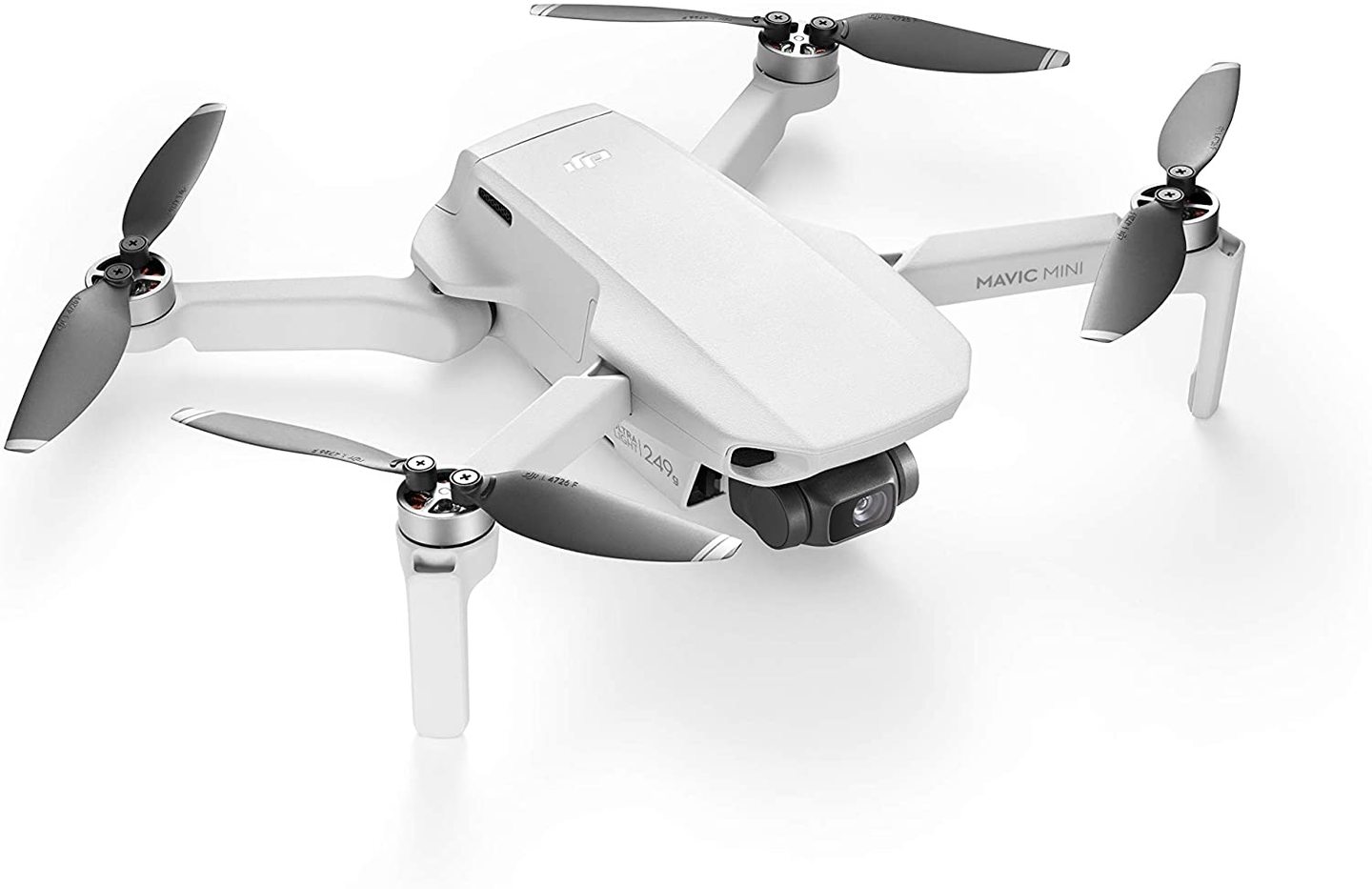
The original Mavic Mini helped establish the sub‑250 g category. Today’s class leader, the DJI Mini 4 Pro, keeps takeoff weight under 249 g while adding far more capability: a 1/1.3″ sensor with 10‑bit profiles, native vertical shooting, omnidirectional obstacle sensing, and an O4 video link. Claimed max flight time is up to 34 minutes with the standard battery, or up to 45 minutes with the Plus battery (which pushes it past 249 g) (Mini 4 Pro; specs).
User-Friendly Design
Under 250 g simplifies recreational compliance in many regions while the latest software adds ActiveTrack 360° and advanced RTH, making it easy for new pilots to get cinematic results. The O4 link improves reliability in cluttered RF environments compared with older Minis (Mini 4 Pro).
No FAA Registration Necessary
The Federal Aviation Administration (FAA) mandates that certain recreational drones be registered. Recreational drones under 0.55 lb (≈250 g) don’t require registration, but pilots must still follow safety rules. Remote ID is enforced: most operations require a Standard RID aircraft, a broadcast module, or flying in a FRIA (FAA Remote ID). If you use a Plus battery that pushes weight beyond 249 g, registration applies.
Points to consider
Limited flight functionality
Ultra‑light drones are more affected by wind and have smaller props/motors than mid‑range aircraft. While Mini 4 Pro adds omnidirectional sensing, wind stability and speed still favor heavier platforms like Air 3. Real‑world endurance typically runs ~80–90% of the rated maximum; reviewers report roughly ~30 minutes per standard battery (independent testing).
Spotty connectivity
Older Mini‑series links were more prone to interference; newer models use O4 for a more robust feed (Mini 4 Pro). If you’re upgrading from the legacy Mavic Mini, expect a noticeable improvement in link reliability and obstacle sensing (source).
DJI Mavic Air
Why we chose it
Excellent video quality
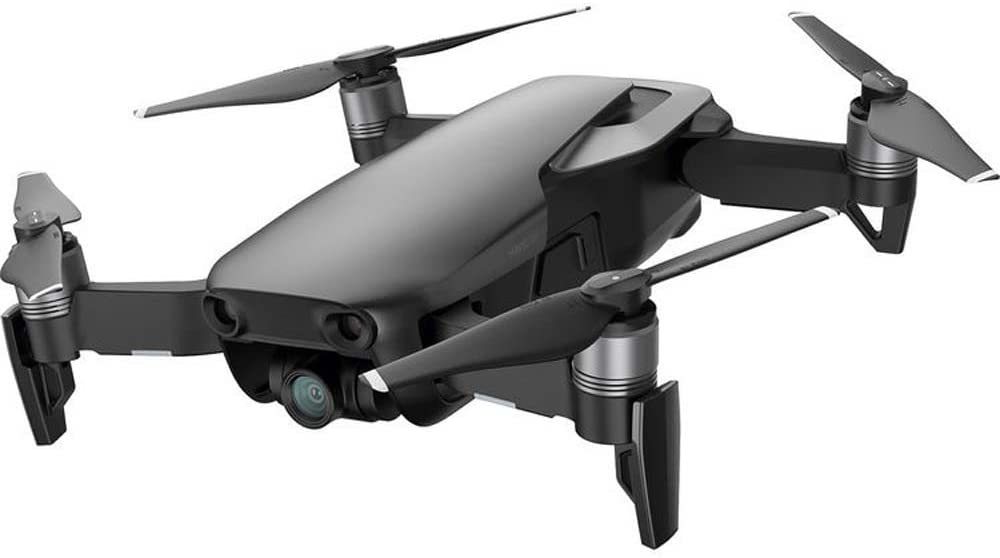
DJI’s Air line has matured into the Air 3, which combines two 1/1.3″ cameras (wide and ~3x medium tele) with 10‑bit profiles and up to 4K/100 fps capture. It adds omnidirectional obstacle sensing, Advanced RTH, and the O4 link for more reliable control/video in complex environments (Air 3).
High speeds
Compact yet more wind‑capable than Mini‑class drones, the Air 3 offers a manufacturer‑claimed 46‑minute max flight time and robust tracking/waypoints. In practice, camera drones typically deliver ~80–90% of claim depending on conditions (specs).
Great for general use
With flexible framing from two lenses, strong safety, and long endurance, the Air 3 suits travel, family content, and creator workflows without the bulk of larger pro rigs (Air 3).
Points to consider
Tricky transfers
High‑bit‑rate footage can make wireless transfers slow or finicky on some devices; a card reader remains the most dependable workflow for large files.
Better with the Fly More Bundle
DJI also offers the Fly More Bundle as an all-inclusive option for your Mavic Air. For the current Air 3, typical U.S. pricing is about $1,099 for the base kit and ~$1,549 for the Fly More Combo, which adds two batteries, a charging hub, and extras—usually the best value if you need more airtime (Air 3 pricing).
DJI Inspire 2 Drone
Why we chose it
Phenomenal Picture
While the Inspire 2 remains a capable cinema platform, many prosumers now prefer the folding DJI Mavic 3 Pro for efficiency. It pairs a 4/3″ Hasselblad main camera with two tele lenses, records up to 5.1K/50 or 4K/120, supports 10‑bit profiles, and the Cine variant adds Apple ProRes with a built‑in SSD (Mavic 3 Pro).
Worry-free flight
Modern flagships bring omnidirectional obstacle sensing and mature autonomy (Advanced RTH, waypoints), increasing safety in complex environments compared with older generations (Mavic 3 Pro).
Built for Speed
Folding Mavic platforms balance endurance and responsiveness well for run‑and‑gun capture. The Mavic 3 Pro claims roughly low‑40‑minute maximums; expect about 80–90% of the rated time in mixed real‑world flying (specs).
Points to consider
Expensive
Interchangeable‑lens cinema rigs and ProRes workflows add cost/complexity. If you prioritize image quality at a lower price, the Mavic 3 Classic (~$1,599) delivers the 4/3″ sensor without the triple‑camera system.
Built for professional use
The Mavic 3 Pro is still a larger, costlier kit than Mini/Air models. Assess your workflow needs, codecs, and client deliverables before investing.
Ryze Tello
Why we chose it
Beginner-Friendly
The Ryze Tello is a simple, code‑friendly starter that captures 5 MP stills and 720p video—great for supervised first flights. For stabilized 4K travel footage at low cost, consider modern sub‑250 g options like DJI Mini 4K (~$299) or Mini 3 (~$469–$599), which add GPS‑aided flight and longer battery life.
Basic Flight Modes
Automated flips and easy app controls keep kids engaged, but there’s no GPS or advanced autonomy—use it to learn stick discipline before moving up to a camera drone.
Affordability
Toy‑class pricing is low, but capabilities are limited. When you’re ready to step up, Mini‑series models maintain sub‑250 g convenience while adding 3‑axis gimbals, 4K capture, and stronger safety features (Mini 4 Pro).
Points to consider
Subpar video
As a practice drone, Tello’s 720p video and 5 MP stills are basic and degrade quickly in low light. It’s not intended for cinematic capture.
Basic features
Tello lacks GPS navigation and return‑to‑home, and it does not include Standard Remote ID. For operations that require RID, you must fly in a FRIA or use a broadcast module per the FAA.
Parrot Anafi
Why we chose it
Made for travel
Parrot has pivoted primarily to enterprise offerings. For a current consumer travel alternative, the Autel EVO Lite+ pairs a 1″‑type 20 MP sensor with adjustable aperture and up to 6K/30 capture, while claiming ~40 minutes of endurance. Autel also markets fewer geofencing restrictions than some rivals—always fly legally (EVO Lite+).
Helpful automation
Modern travel drones add omnidirectional or multi‑directional sensing, Advanced RTH, and reliable digital links (e.g., DJI’s O4 on Mini/Air series) to reduce crash risk and improve capture confidence (Mini 4 Pro; Air 3).
Better picture
The EVO Lite+’s large sensor and 6K video give it strong low‑light performance for travel landscapes, while DJI’s Mini 4 Pro sets the sub‑250 g bar with 4K/100, 10‑bit profiles, and omnidirectional sensing.
Points to consider
Limited range
Older compact drones often struggled with link reliability and limited sensing. Newer options improve both with O4 transmission (on DJI) and wider obstacle coverage (Mini 4 Pro; Air 3), while the EVO Lite+ provides a strong non‑DJI alternative in the same travel‑friendly segment (Autel).
No collision avoidance
Some legacy travel drones lacked collision avoidance entirely. If you’re upgrading, prioritize omnidirectional sensing (Mini 4 Pro/Air 3) or robust multi‑direction sensing (EVO Lite+), and verify that Remote ID is built‑in on current production (FAA).
SNAPTAIN S5C Drone
Why we chose it
Affordable Package
Toy‑class kits like the S5C keep costs down and include spares so families can learn the basics. They’re fun for supervised practice but lack GPS and camera quality.
Perfect kids tool
Simple controls and prop guards help new pilots build confidence. As skills grow, consider purpose‑built platforms for specific styles—e.g., DJI Avata 2 for cinematic FPV, which integrates Goggles 3 and Motion Controller 3 and records up to 4K/60 with an ultra‑wide FOV.
Built tough
Basic toy drones tolerate bumps, but they don’t carry modern safety tech. When you step up to camera or FPV platforms, look for omnidirectional sensing or updated safety features and confirm built‑in Remote ID on current models (FAA).
FPV note: Avata 2’s manufacturer‑claimed endurance is up to 23 minutes; independent testing often sees ~16–18 minutes depending on mode and flying style—typical for high‑draw FPV (specs; independent).
Points to consider
Short battery life
Toy‑class drones typically offer short flight times and basic 720p video. By contrast, modern camera drones claim 34–46 minutes per battery (about 80–90% of which is typical in real use), and FPV cinewhoops claim ~23 minutes but often deliver ~70–80% of that (Mini 4 Pro specs; Air 3 specs; Avata 2 specs; independent).
Not for advanced users
Toy drones are great teachers but lack stabilized 4K capture, GPS holds, and autonomy. Creators should budget for a Mini/Air/Mavic‑class kit once fundamentals are in place (Mini 4 Pro; Air 3).
Guide to Drones
Before you buy your next drone, a few research‑backed pointers will help you pick the right model in 2025: prioritize omnidirectional sensing and reliable video links, match weight class to your regulatory needs, and use realistic flight‑time expectations supported by independent tests (Mini 4 Pro; Air 3; Mini 4 Pro review).
Using Permitted Airspace
The FAA restricts certain airspace and locations such as national parks and around airports. Remote ID is now enforced in the U.S.; most flights must use a Standard RID aircraft, a broadcast module, or occur inside an FAA‑Recognized Identification Area (FRIA) (FAA). For controlled airspace (Class B/C/D/E to surface), obtain authorization—often via LAANC, which uses UAS Facility Maps for altitude ceilings. The B4UFly app helps check airspace, TFRs, and advisories. Some third‑party tools have changed over time; confirm your planning app supports LAANC and current FAA datasets.
Consider Insurance
A drone can be a substantial investment, and many clients/venues require insurance. Core coverages include third‑party liability (commonly USD/EUR/GBP 0.5–5 million for commercial work), hull (physical damage), and payload/equipment, with optional personal injury/privacy, cyber/data, non‑owned liability/hull, and professional liability (Insurance Information Institute; Global Aerospace). In the EU/UK, Regulation (EC) No 785/2004 sets minimum third‑party liability standards—follow national guidance such as the UK CAA’s CAP 722 (regulation text; CAA CAP722; Starr).
Battery Life
Manufacturer “max flight time” assumes ideal test conditions. In practice, expect ≈80–90% of the claim on camera drones and ≈70–80% on FPV/cinewhoops. Examples: Mini 4 Pro claims up to 34 minutes (≈30 minutes typically observed), Air 3 claims up to 46 minutes, and Avata 2 claims up to 23 minutes with ~16–18 minutes commonly reported depending on mode and style (Mini 4 Pro review; Avata 2 review).
Price
Value depends on features, safety, and total kit cost. Typical U.S. pricing: Mini 4 Pro (~$759–$1,159 depending on controller/Fly More), Air 3 (~$1,099 base; ~$1,549 Fly More), Mavic 3 Classic (~$1,599), Avata 2 (~$999–$1,199 Fly More), and Autel EVO Lite+ (~$1,099–$1,249). Fly More bundles usually cost less than adding extra batteries/hub later and improve resale value. Budget starters include Mini 4K (~$299) and Mini 3 (~$469–$599).
